
If you have ever left a physical therapy visit feeling rushed, handed a sheet of generic exercises, or passed off to an aide, you are not alone. Many athletes and active adults in Dallas share that experience. They want answers about why they are hurting, not another round of symptom management.
At North Dallas Physical Therapy, your first visit is built to change that. Here is exactly what happens during a performance physical therapy evaluation in Dallas, TX, so you know what to expect before you walk in.
Your Evaluation Is a Full Hour of One-on-One Care
Your evaluation is a full one-on-one hour-long session. It is never shared with another patient or handed off to an aide. That dedicated time allows for a real conversation about your pain, your sport, and your goals.
Expect to discuss:
- Your injury history and any previous setbacks
- The demands of your sport, training schedule, or daily activity
- What your pain feels like and when it shows up
- Your short-term and long-term performance goals
This level of attention is what separates a performance-focused evaluation from a standard clinic visit. You leave with clarity, not confusion.
How We Uncover the Root Cause With Objective Testing
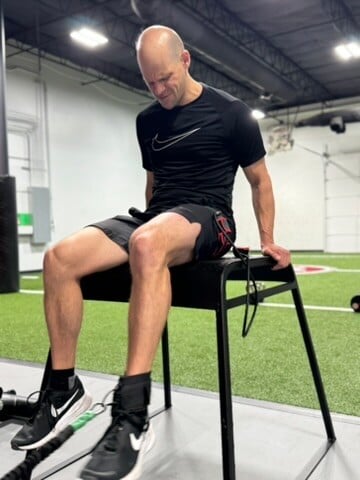
Pain is often where a problem shows up, not where it starts. A sore knee may trace back to hip strength, ankle mobility, or how you load your body when you run. That is why hands-on examination is paired with technology-driven assessments at North Dallas Physical Therapy, so decisions are guided by data rather than guesswork.
Depending on your needs, your evaluation may include the following.
Running Gait Analysis
If you run, or your sport involves running, a running gait analysis can reveal movement patterns contributing to overuse injuries or limiting your progress. Identifying these mechanics early is a key part of building a sustainable return-to-running plan.
Isokinetic and Dynamometer Strength Testing
Isokinetic testing measures how much force your muscles produce and whether one side is stronger than the other. Strength imbalances are easy to miss by feel alone, and objective numbers provide a clear baseline to build from.
Functional Movement Screen
A functional movement screen assesses how you move through fundamental patterns. It helps reveal limitations in mobility, stability, or neuromuscular control that can affect both performance and injury risk.
Titleist Performance Institute (TPI) Testing
For golfers, TPI testing evaluates how your body moves through the demands of the golf swing. Physical limitations that affect your game can be identified and addressed directly within your plan of care.
How Your Results Shape Your Plan of Care
Once your findings are gathered, they are translated into a structured, individualized plan. Rather than vague timelines, you receive clear progressions built around what the data shows.
Your plan may include:
- Therapeutic exercise and strength and conditioning to address deficits
- Neuromuscular re-education to restore movement quality and motor control
- Manual therapy techniques such as dry needling, cupping, IASTM/Graston, and myofascial release to support tissue quality and mobility
- Blood flow restriction (BFR) training to build strength during early-stage recovery
- Plyometrics and return-to-sport progressions as you advance toward full activity
You will leave your evaluation knowing what is driving your problem, what will be done about it, and what progress looks like. To explore the full range of care available, visit the physical therapy services page.
Why Objective Benchmarks Matter for Returning to Sport
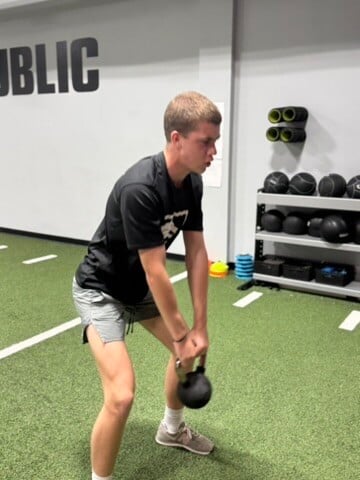
Feeling better is not the same as being ready. Returning to sport too soon is one of the most common reasons athletes get hurt again. The measurements gathered during your evaluation become your starting point, and progress is retested against them as you advance.
Return-to-sport testing at North Dallas Physical Therapy ensures your clearance is guided by objective benchmarks and sport-specific progressions, not just how you feel on a given day. For youth athletes, weekend warriors, and competitive runners alike, this approach reduces guesswork and supports a more confident return to play.
Practical Details Before Your First Visit
North Dallas Physical Therapy operates on a self-pay model, which means your plan of care is guided by your therapist and your goals rather than by visit limits set by a third party.
To prepare for your first visit:
- Wear comfortable athletic clothing
- Bring your running or training shoes
- Bring any imaging, previous medical records, or a list of past injuries if available
Ready to Find the Root Cause of Your Pain?
You deserve a physical therapy experience that listens, measures, and builds a plan around your goals. Your evaluation at North Dallas Physical Therapy is the first step toward moving without pain and returning to your sport stronger than before.
Book your evaluation today and start your path to lasting results. You can also explore more in the guide to performance physical therapy in Dallas.



Comments